

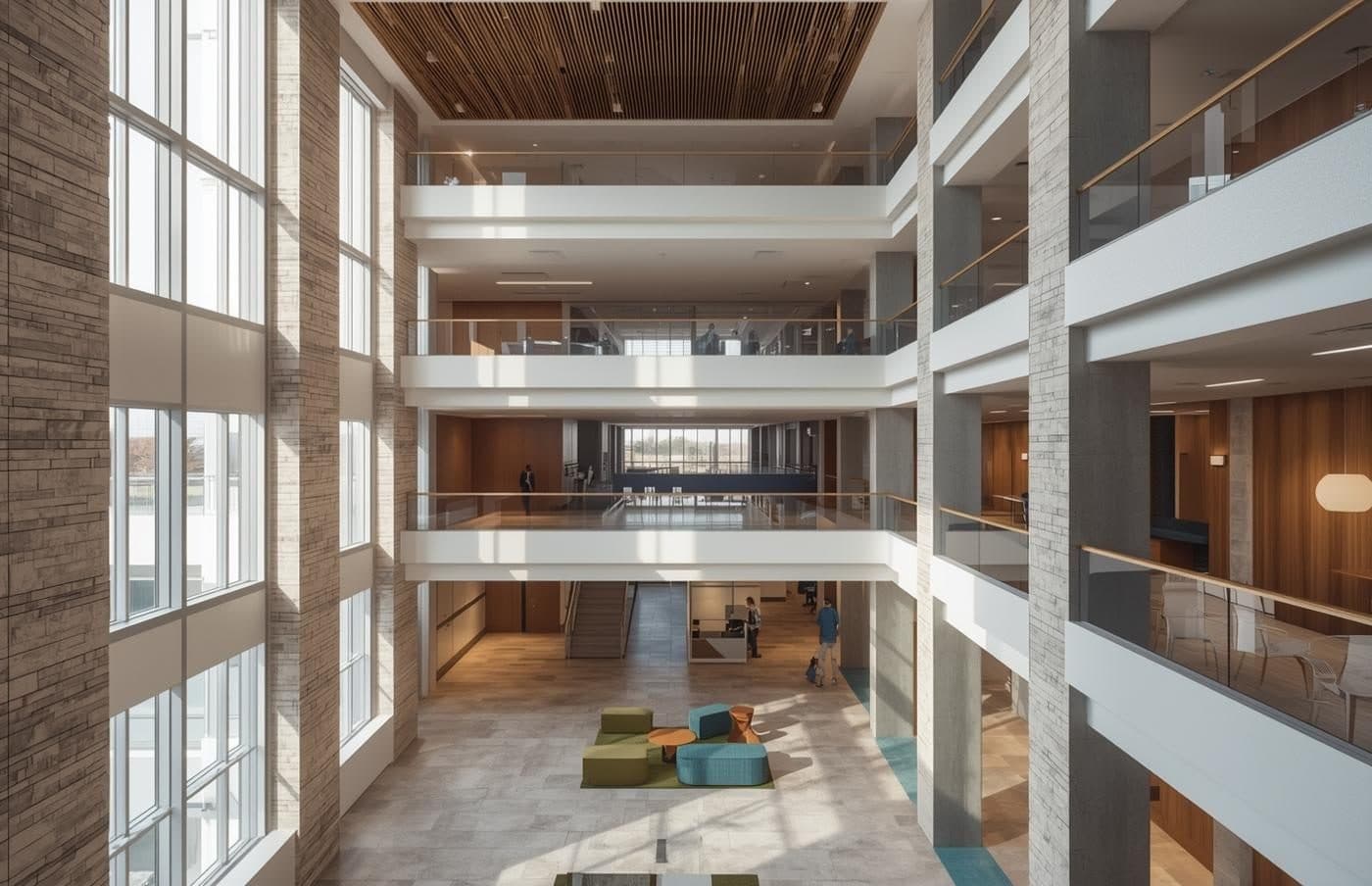
 Indicative design concept
Cardiovascular Institute
A planned regional heart institute for southern Africa, carrying interventional cardiology and open-heart surgery alongside the structural-heart, complex-rhythm and hybrid work that currently sends patients out of the region entirely.
What it is
Botswana already has cardiac catheterisation and open-heart capacity, and the planned Cardiovascular Institute is built to carry that full range together with the tier above it. That means structural-heart intervention such as TAVR, MitraClip and left-atrial-appendage closure, complex electrophysiology with 3D-mapping ablation, and hybrid cardiac surgery combining surgical and catheter-based techniques in a single setting, all of it alongside interventional cardiology, open-heart surgery and the cardiac imaging that supports them.
Raising the ceiling matters most to the people at the top of it, among them a young woman with a rheumatic valve and an older patient whose rhythm no longer answers to medicine. Treating those cases in Gaborone keeps the cardiac referral flow, and the foreign exchange that travels with it, inside the region.
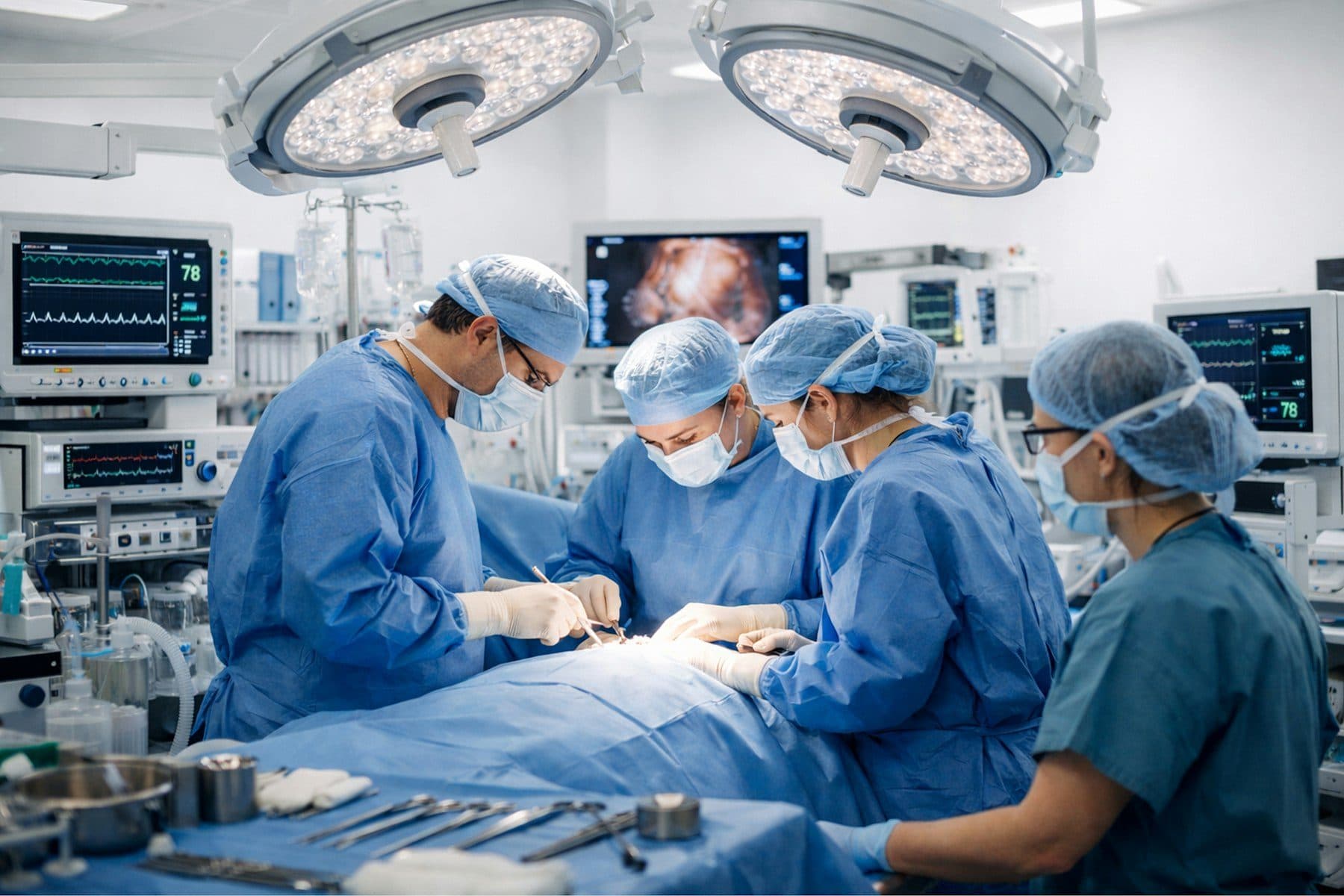
The heart that needs a structural repair is ninety minutes from a theatre built for it.
Planned capabilities
The planned procedure set, running from diagnosis through to the most complex structural and rhythm work, built to take referrals from across southern Africa.
Planned Services
- Structural heart intervention, covering TAVR, MitraClip and LAA closure — planned
- Complex electrophysiology with 3D-mapping ablation — planned
- Hybrid cardiac surgery combining surgical and catheter-based techniques — planned
- Open-heart surgery — planned
- Interventional heart care (cardiology) and cardiac catheterisation — planned
- Cardiac imaging and diagnostics supporting the full pathway — planned
What this means for you
Some heart conditions can now be treated without open surgery. A leaking or narrowed valve can be repaired or replaced through a small catheter instead of through the chest, and an irregular rhythm can be mapped in three dimensions and corrected precisely, so many patients are home within days. For a mother of young children, that is the difference between a week away and a month. The planned institute is built so these procedures, and the open and hybrid surgery some cases still need, are carried out here, with one team holding the pathway from the first scan through to recovery, and it opens in 2029.
Where each stage happens
The stages do not change. The distance between them does.
Today — Referral, Diagnosis, Treatment, Follow-up. Places: 3. Border crossings: 1.
From 2029 — Referral, Diagnosis, Treatment, Follow-up. One campus.
Ninety minutes from across the region
By 2029, a patient in Lusaka or Harare needing a structural-heart procedure could fly 90 minutes to Gaborone instead of to Johannesburg or Bengaluru. Minutes from Sir Seretse Khama International Airport, the planned institute is built to take those referrals from across SADC at an estimated 25 to 35 per cent below South African private rates, which keeps the cost within reach of a family paying for it themselves. Each patient treated here is a cardiac case kept in the region and foreign exchange earned for Botswana.
Planning cardiac care
For patients and families planning treatment, or clinicians exploring referral pathways, our patient guidance and clinical team can help.
The information provided on this page is for general informational purposes only and is not a substitute for professional medical advice, diagnosis or treatment. Always seek the advice of a qualified healthcare provider. All services listed are planned and subject to regulatory approval. TEMCO Specialised General Hospital is expected to commence operations in 2029.